
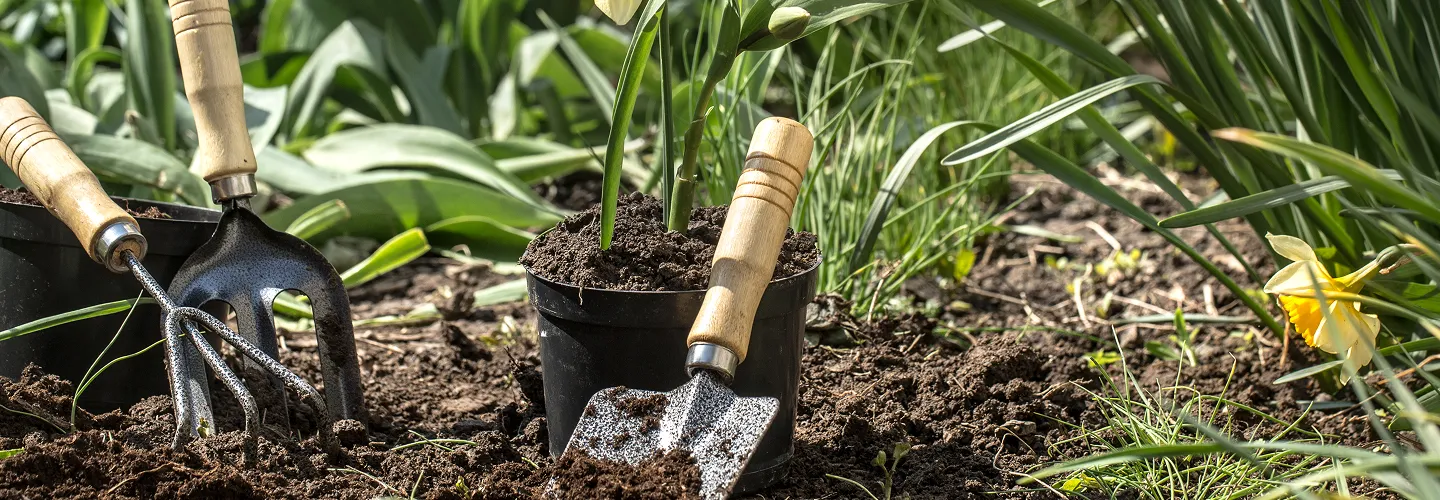
Georgetown Flower Planting Services
Choose our flower planting services for vibrant, expertly arranged blooms that enhance your curb appeal and thrive all season long—bringing beauty and value to your Georgetown home.
Get a Free QuoteOur Georgetown Landscaping & Yard Care Services
When to Schedule Flower Planting in Georgetown, Texas – Seasonal Guide
Flower planting in Georgetown, Texas, is best scheduled with careful attention to our region’s unique climate and landscape. The optimal planting windows are typically early spring (late February to early April) and early fall (late September to mid-October), when soil temperatures are moderate and the risk of frost is minimal. Georgetown’s last average frost date falls in mid-March, making it safe to plant most annuals and perennials after this point. Neighborhoods like Sun City and Berry Creek, with their mix of sun and shade, benefit from tailored planting schedules that account for microclimates and soil drainage.
Local environmental factors play a significant role in successful flower planting. Georgetown’s clay-rich soils, periodic drought conditions, and high summer humidity require careful plant selection and timing. Areas near the San Gabriel River or close to Southwestern University may experience more shade and moisture, while homes in the Wolf Ranch area might contend with more direct sun and wind exposure. For more information on local planting guidelines and municipal considerations, visit the official resource.
Local Factors to Consider for Flower Planting in Georgetown
- Proximity to mature trees and resulting shade coverage
- Soil type (clay, loam, or sandy soils)
- Average precipitation and drought risk
- Terrain and drainage patterns
- Neighborhood-specific microclimates (e.g., near the San Gabriel River)
- Municipal watering restrictions and planting ordinances
Benefits of Flower Planting in Georgetown
Expert Local Knowledge
Customized Landscape Designs
Seasonal Plant Selection
Enhanced Curb Appeal
Eco-Friendly Practices
Reliable Maintenance Services
Georgetown Flower Planting Types

Perennial Flower Beds
-
Annual Flower Displays
-
Native Wildflower Gardens
-
Seasonal Bulb Plantings
-
Pollinator-Friendly Plantings
-
Shade Garden Flowers
-
Container Flower Arrangements
Our Flower Planting Process
Site Evaluation
Soil Preparation
Plant Selection
Careful Planting
Watering and Mulching
Why Choose Georgetown Landscape Services
-
Georgetown Homeowners Trust Us
-
Expert Lawn Maintenance
-
Reliable Seasonal Care
-
Competitive Pricing
-
Professional Team
-
Satisfaction Guarantee
-
Personalized Service
Soil Series and Drainage Considerations for Flower Planting in Georgetown
Georgetown’s predominant soils, including Houston Black clay and Austin silty clay loam, present unique challenges for flower planting due to their high clay content, slow drainage, and alkaline pH (typically 7.5-8.2). These soils can become compacted, restricting root growth and water infiltration. Before planting, it is recommended to incorporate 2-3 inches of compost tilled to a 6-inch depth and conduct a soil test through Texas A&M AgriLife Extension (typical cost: $15-25). For pH above 7.5, elemental sulfur may be applied to lower alkalinity. Raised beds or amended planting areas are advised in poorly drained sites. Research local soil series using the USDA Web Soil Survey for site-specific recommendations.
Georgetown Landscaping Requirements and Standards
808 Martin Luther King Jr. St, Georgetown, TX 78626
Phone: (512) 930-3652
Official Website: Georgetown Landscaping Requirements and Standards
Optimal Flower Planting Windows and Climate Zone Guidance for Georgetown
Georgetown is located in USDA Hardiness Zone 8b, with average annual minimum temperatures of 15-20°F. The optimal window for planting most annual and perennial flowers is from March 1 to April 15 (soil temperature 55-65°F), with fall planting for hardy perennials recommended from October 1 to November 15. Avoid planting during peak summer (June-August) due to heat stress and high evapotranspiration. Monitor local weather patterns using the National Weather Service Austin/San Antonio Office. Key timing guidelines:
- Spring planting: March 1 – April 15
- Fall planting: October 1 – November 15
- Avoid: June-August (heat/drought stress)
- Soil temp: 55-65°F for best root establishment
Georgetown’s Municipal Coordination and Flower Planting Ordinances
All flower planting projects in Georgetown must comply with city landscaping ordinances, including setback requirements, irrigation standards, and buffer zones near protected areas. Equipment operation is permitted:
- Monday-Friday: 7:00 AM – 7:00 PM
- Saturday: 8:00 AM – 6:00 PM
- Sunday and holidays: Prohibited Landscaping within 25 feet of wetlands or drainageways requires a review by the city. Use only biodegradable mulch and avoid plastic sheeting. For projects exceeding 500 sq ft or within regulated zones, a landscape permit is required (application fee: $50; review time: 10 business days).
Georgetown Development Services – Permits
808 Martin Luther King Jr. St, Georgetown, TX 78626
Phone: (512) 930-2550
Official Website: Georgetown Development Services – Permits
Environmental Compliance: Stormwater, Buffer Zones, and State Regulations in Georgetown
Flower planting activities must adhere to the City’s MS4 stormwater permit, which prohibits soil, mulch, or plant debris from entering storm drains. Maintain a 25-foot no-disturbance buffer from wetlands and a 50-foot setback from the San Gabriel River and its tributaries. Fertilizer and pesticide applications are restricted within 50 feet of water bodies. Compliance with the Texas Water Code and Clean Water Act is mandatory. For stormwater guidance, consult:
Georgetown Water Quality and Stormwater Program
300-1 Industrial Ave, Georgetown, TX 78626
Phone: (512) 930-3640
Official Website: Georgetown Water Quality and Stormwater Program
Texas Commission on Environmental Quality
12100 Park 35 Circle, Austin, TX 78753
Phone: (512) 239-1000
Official Website: Texas Commission on Environmental Quality
Selecting Native and Drought-Tolerant Flower Species for Georgetown’s Climate
Given Georgetown’s hot summers and periodic drought, select flower species adapted to Zone 8b and alkaline soils. Recommended species include:
- Black-eyed Susan (Rudbeckia hirta)
- Purple coneflower (Echinacea purpurea)
- Autumn sage (Salvia greggii)
- Winecup (Callirhoe involucrata)
- Mexican feathergrass (Nassella tenuissima)
- Turk’s cap (Malvaviscus arboreus)
- Gregg’s mistflower (Conoclinium greggii) Native and drought-tolerant selections reduce irrigation needs and support pollinators. For detailed plant lists and spacing guidelines, consult Texas A&M AgriLife Extension. Spacing should be 12-24 inches apart depending on mature size. Avoid invasive species as listed by the Texas Department of Agriculture.
What Neighborhoods Do We Serve Throughout Georgetown, TX?
- Old Town: Features mature trees and historic homes with compacted urban soils and narrow planting strips, requiring careful soil amendment and compliance with historic district landscaping standards.
- Sun City: Large lots with alkaline, clay-rich soils and HOA landscaping guidelines; irrigation efficiency and deer-resistant plant selection are critical.
- Berry Creek: Golf course community with well-drained soils but strict buffer requirements near water features and stormwater retention areas.
- Georgetown Village: Newer development with moderate soil compaction and modern irrigation systems; attention to city setback and planting density rules is necessary.
- River Ridge: Proximity to the San Gabriel River and floodplain areas necessitates adherence to buffer zones and flood-resistant plant choices.
- Serenada: Semi-rural lots with variable soils and limited municipal irrigation; drought-tolerant and native species are recommended for sustainability.
- Downtown District: Dense urban environment with limited planting space, frequent utility conflicts, and requirements for ADA-compliant landscape design.