
Georgetown Hedging Services
Choose our expert hedging services for meticulous care, tailored designs, and lasting curb appeal—ensuring your property always looks its best.
Get a Free QuoteOur Georgetown Landscaping & Yard Care Services
When to Schedule Hedging in Georgetown, Texas – Seasonal Guide
In Georgetown, Texas, timing your hedging services is crucial for maintaining healthy, attractive landscapes. The optimal periods for hedging typically fall between late winter and early spring, just before new growth begins. This window allows shrubs and hedges to recover quickly and flourish as temperatures rise. Georgetown’s climate, characterized by hot summers, mild winters, and occasional droughts, means that hedging during the cooler months helps avoid stress on plants and reduces the risk of sunscald or dehydration.
Local environmental factors play a significant role in determining the best time for hedging. For example, neighborhoods near San Gabriel Park or along Williams Drive may experience varying shade coverage and soil types, impacting plant growth cycles. It’s important to consider the last frost date—usually in early March—to prevent frost damage to freshly cut branches. Additionally, Georgetown’s periodic humidity spikes and the risk of summer droughts make it wise to avoid heavy pruning during peak heat. For more information on local climate and municipal guidelines, visit the official city resource.
Local Factors to Consider for Hedging in Georgetown
- Tree density and proximity to mature oaks or pecans
- Terrain variations, especially in areas like Berry Creek or Sun City
- Seasonal precipitation patterns and drought risk
- Municipal restrictions on pruning and green waste disposal
- Soil type, from clay-rich to sandy loam
- Shade coverage from nearby structures or large trees
Benefits of Hedging in Georgetown
Enhanced Curb Appeal
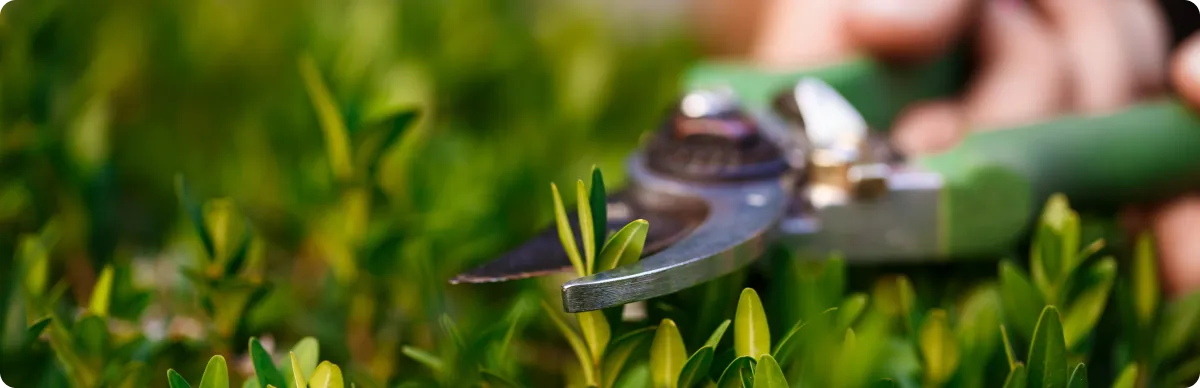
Professional Hedge Shaping
Improved Property Privacy
Expert Local Knowledge
Reliable Scheduling
Eco-Friendly Practices
Georgetown Hedging Types

Boxwood Hedges
-
Privet Hedges
-
Yew Hedges
-
Laurel Hedges
-
Holly Hedges
-
Arborvitae Hedges
-
Photinia Hedges
Our Hedging Process
Consultation and Planning
Site Preparation
Precision Trimming
Cleanup and Inspection
Why Choose Georgetown Landscape Services
-
Georgetown Homeowners Trust Us
-
Expert Lawn Maintenance
-
Reliable Seasonal Care
-
Competitive Pricing
-
Professional Team
-
Satisfaction Guarantee
-
Personalized Service
Georgetown’s Hedging Ordinances: Height Limits, Setbacks, and Permit Requirements
Hedging in Georgetown is governed by specific municipal ordinances designed to maintain neighborhood aesthetics, ensure public safety, and protect infrastructure. According to city code, hedges along public rights-of-way must not exceed 36 inches in height within 25 feet of street intersections to preserve sightlines. For residential properties, hedges may not exceed 8 feet in height without a variance. Setbacks from property lines are typically 2 feet, but may be greater in historic districts or near utility easements. Permits are required for hedge installation or removal in regulated zones, with an application fee of $50 and a review period of 10 business days. Residents must submit a site plan and species list for approval. For detailed guidance and permit applications, coordinate with the city’s permitting office.
Georgetown Development Services – Permits
808 Martin Luther King Jr. St., Georgetown, TX 78626
Phone: (512) 930-2550
Official Website: Georgetown Development Services – Permits
Soil Series and Drainage Considerations for Hedging in Georgetown
Georgetown’s predominant soils, including Houston Black clay and Austin silty clay loam, are characterized by high clay content, moderate alkalinity (pH 7.5-8.2), and slow drainage. These conditions can lead to root rot in poorly adapted hedge species and require careful soil preparation. Before planting, conduct a soil test through Texas A&M AgriLife Extension (typical cost: $15-25) to determine pH and nutrient needs. Recommended soil amendments include:
- Compost: 2-3 inches tilled to 6-inch depth
- Gypsum: 10-20 lbs per 1,000 sq ft for clay loosening
- Lime: Only if pH is below 6.5 (rare in Georgetown)
- Mulch: 2-4 inches to conserve moisture and suppress weeds Proper drainage is essential; install French drains or raised beds in areas with seasonal waterlogging. Reference the USDA Web Soil Survey for site-specific soil mapping.
Environmental Compliance: Stormwater, Buffer Zones, and State Regulations
Hedging activities in Georgetown must comply with local and state environmental regulations to protect water quality and sensitive habitats. The city’s MS4 permit, administered under the Clean Water Act, prohibits the disposal of hedge clippings or soil in storm drains. Maintain a 25-foot no-disturbance buffer from wetlands and a 50-foot setback from the San Gabriel River and its tributaries. Fertilizer and pesticide applications are restricted within these buffer zones. The Texas Commission on Environmental Quality (TCEQ) enforces state water and air quality standards, including the Texas Water Code. For stormwater compliance and reporting illicit discharges, contact the city’s stormwater program.
Georgetown Water Quality and Stormwater Program
300-1 Industrial Ave., Georgetown, TX 78626
Phone: (512) 930-3640
Official Website: Georgetown Water Quality and Stormwater Program
Equipment Operation Hours and Safety Standards for Hedging in Georgetown
Operation of powered hedging equipment in Georgetown is regulated to minimize noise and ensure public safety. The city’s noise ordinance permits equipment use during the following hours:
- Monday-Friday: 7:00 AM - 7:00 PM
- Saturday: 8:00 AM - 6:00 PM
- Sunday and holidays: Prohibited All operators must use commercial-grade equipment with functioning mufflers, and noise levels must not exceed 85 decibels at property lines. Safety protocols require:
- Eye protection: ANSI Z87.1 safety glasses
- Hearing protection: Earmuffs or plugs for 85+ dB
- Footwear: Steel-toed, non-slip boots
- Gloves: Cut-resistant for pruning Maintain a 15-foot clearance from overhead power lines and coordinate with the city for work near public roads or parks. For additional safety guidance, consult the city’s code enforcement office.
Georgetown Code Enforcement
808 Martin Luther King Jr. St., Georgetown, TX 78626
Phone: (512) 930-3606
Official Website: Georgetown Development Services – Permits
Selecting Hedge Species for Georgetown’s Climate and Urban Conditions
Georgetown is located in USDA Hardiness Zone 8b, with hot summers, mild winters, and periodic drought. Recommended hedge species for these conditions include:
- Wax myrtle (Morella cerifera): Tolerates clay soils and drought
- Yaupon holly (Ilex vomitoria): Native, deer-resistant, and adaptable
- Texas sage (Leucophyllum frutescens): Heat and drought tolerant
- Dwarf burford holly (Ilex cornuta ‘Burfordii Nana’): Dense, evergreen
- American beautyberry (Callicarpa americana): Wildlife-friendly, native Plant hedges 18-24 inches apart for optimal density and allow 2-3 feet from structures for airflow. Avoid invasive species such as privet (Ligustrum spp.) and maintain annual pruning to city standards. For further plant selection guidance, consult Texas A&M AgriLife Extension.
What Neighborhoods Do We Serve Throughout Georgetown, TX?
- Old Town: Features mature landscapes and historic properties, often requiring compliance with additional setback and height restrictions for hedges near sidewalks and intersections.
- Sun City: Large lots with alkaline, clay-rich soils and HOA guidelines that may specify approved hedge species and maintenance schedules.
- Berry Creek: Golf course community with well-drained soils and extensive greenbelts, where hedging must account for wildlife corridors and irrigation patterns.
- Wolf Ranch: Newer development with compacted fill soils and smaller lot sizes, necessitating careful species selection for rapid establishment and privacy.
- Georgetown Village: Family-oriented area with moderate tree cover and proximity to parks, requiring attention to sightline ordinances and buffer zones near trails.
- Serenada: Semi-rural setting with larger lots, native vegetation, and occasional drainage challenges, making soil amendment and erosion control critical for hedging success.
- Downtown District: Urban core with narrow setbacks, historic overlays, and frequent pedestrian traffic, demanding strict adherence to city hedging ordinances and safety protocols.